

Academics
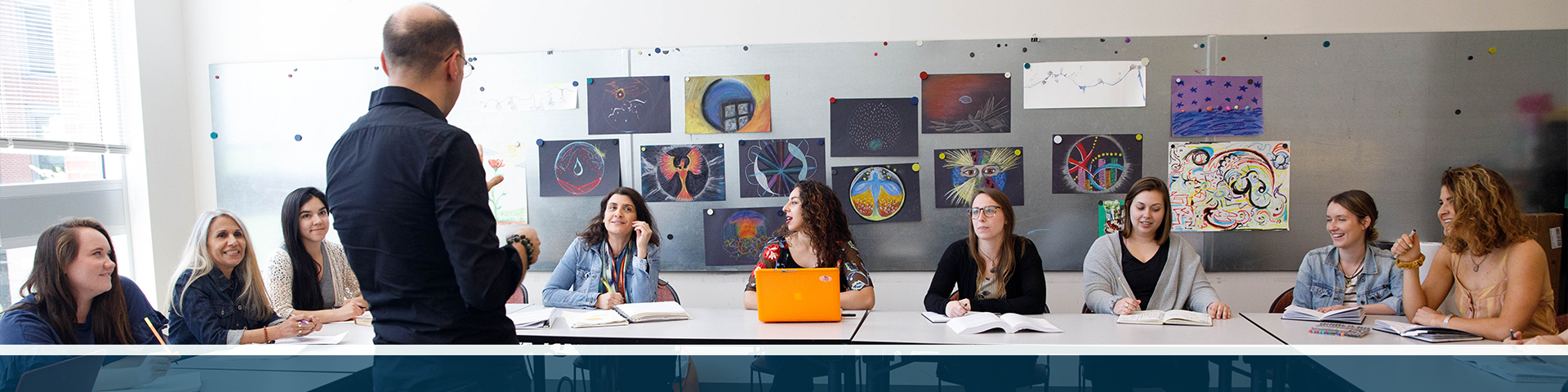
In the accredited GW Art Therapy Program, students train to be highly skilled therapists whose professional practice is grounded in a broad understanding of current clinical art therapy, counseling and trauma theories. Through a master’s degree that can be completed full time, part time or as a combined BA/MA option, students learn to apply effective research and evaluation methodologies, clinical skills and studio expertise. Students can supplement their classroom studies with study abroad trips, program-hosted colloquia and continuing education seminars, which train participants on advanced clinical issues.
Located at GW’s Alexandria Graduate Education Center, students are close to Washington, D.C.’s many museums and medical research libraries. Between our on-site Art Therapy Clinic and external internship options throughout the area, students gain hundreds of hours of practical training alongside licensed clinicians.

Join the Graduate Programs Virtual Open House: October 19–30
Registration is now open for GW's 2026 Columbian College of Arts and Sciences (CCAS) Graduate Programs Open House! The virtual event features program-specific information sessions and opportunities to interact with current graduate students, faculty and our admissions team. Attendees will receive an application fee waiver.
The Art Therapy Program will host a virtual information session for prospective graduate students on Wednesday, October 28, at noon.
Academic Programs

MA in Art Therapy Info Session: November 11
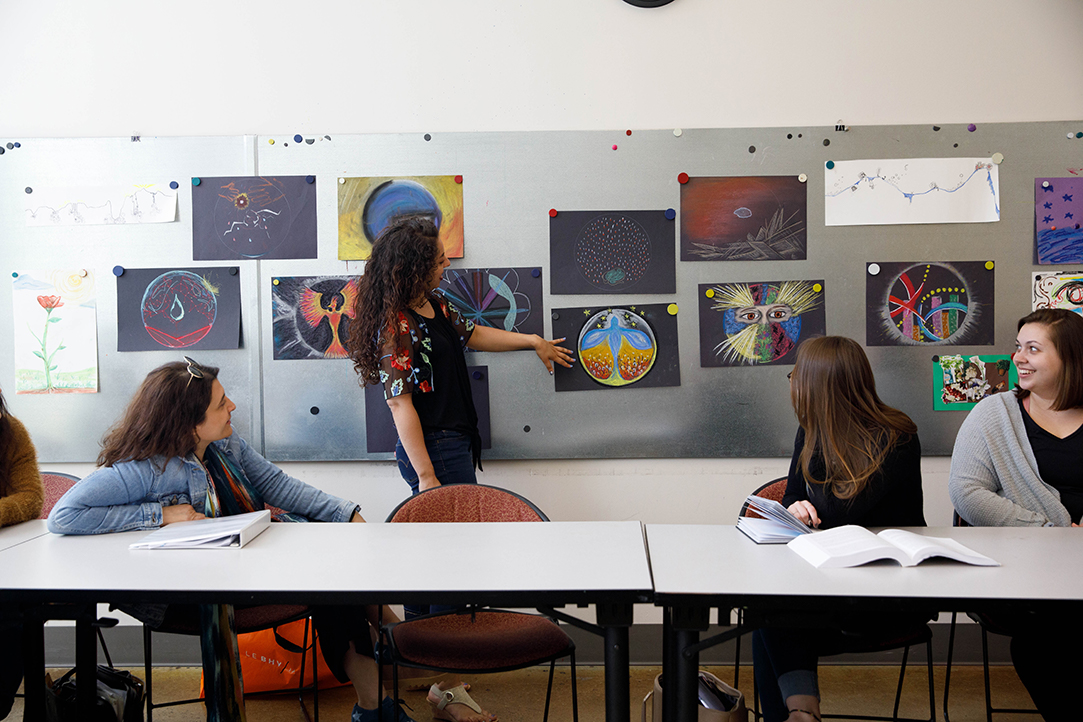
Join us online for an information session discussing the field of art therapy and the GW Master of Arts in Art Therapy program.
Program Highlights

Comprehensive Trauma Training
Offering training from experts, the curriculum enables students to study trauma theory in the classroom and then apply those lessons to real-life client work.

In-House Clinical Training
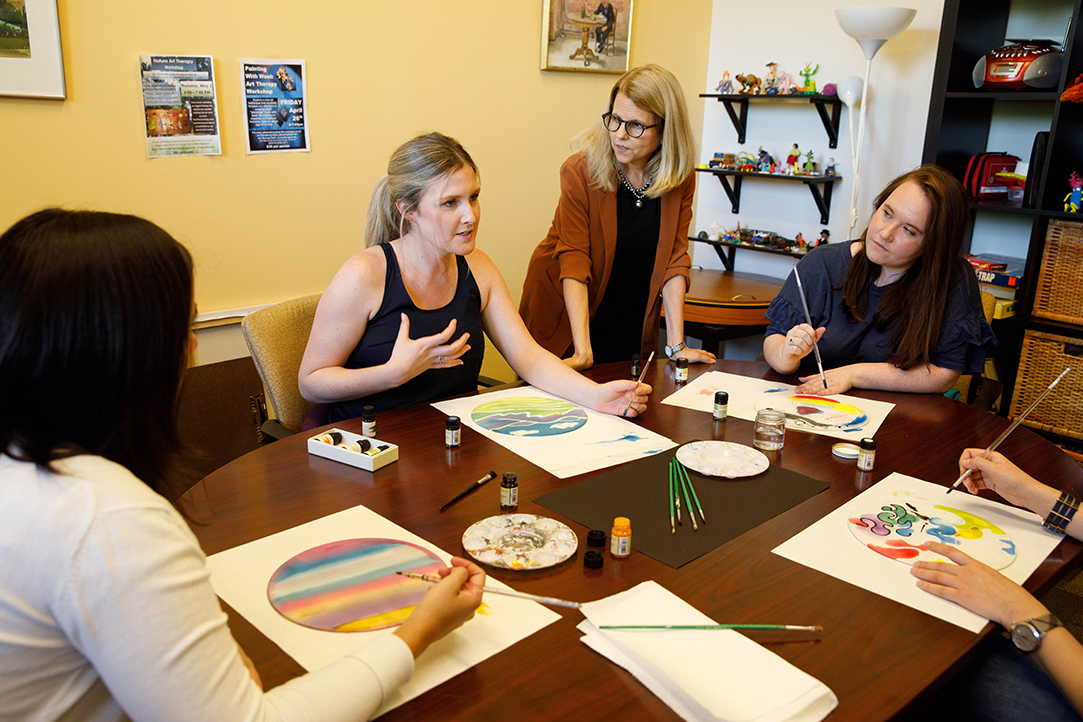
In the GW Art Therapy Clinic, students gain experience alongside registered, board-certified faculty while giving back to the local community.

International Opportunities
GW's program is unique in the field for our international focus, offering research and study abroad opportunities in India, Hong Kong, Croatia and more.

Professional Licensure Preparation
Students complete nearly 1,000 hours of clinical training, many of which may be applied toward professional licensure in art therapy after graduation.
“My fondest memory is working with my peers and professors in the Art Therapy Program on an anti-racism and anti-oppression statement, advocating for self-reflection and change in our program and field. Responding to the tragic loss of Black life at the hands of police, it was powerful to witness our commitment to this growth process, even when it became difficult. With creativity, responsibility and accountability, we stood together in support of an art therapy community where we all belong.”
Claire Kalala
Art Therapy' 21

Program Goals
The Art Therapy Program prepares graduates in accordance with the Accreditation Council for Art Therapy Education (ACATE) Standards and Guidelines for the Accreditation of Educational Programs in Art Therapy: “To prepare art therapists who are competent in the cognitive (knowledge), psychomotor (skills) and affective (behavior) learning domains to enter the profession.” To that end, our program goals are aligned with both university priorities and ACATE requirements.
- Art Therapy Program Goals
Art Therapy Program Goals Art Therapy Student Learning Outcomes CCAS Strategic Priorities GW Strategic Framework Initiating therapeutic relationships with art therapy clients through empathic and responsive practice Implement therapeutically beneficial, culturally responsive, and client-centered interventions through intentional selection of art materials and media, facilitation of art making processes and strategies, and guidance for art interpretation 21st-Century Liberal Arts Reimagining Skill Development for the Future Motivating art therapy clients by tending to their ongoing needs through guided and intentional practice Apply culturally and developmentally informed art therapy theories, assessments, creativity models, evaluation methods, and diagnostic procedures to address treatment goals for individuals, groups, families, and communities Interdisciplinary Thinking in Action Advancing Impactful Knowledge Production Through Interdisciplinary Excellence Advancing art therapy with state-of-the art and current knowledge through innovative and adaptive practice Develop a secure art therapy professional identity built on the innovative history of art therapy by synthesizing the latest theories, research, neuroscience, and trauma-informed skills Innovation Through Emerging Technologies Advancing Impactful Knowledge Production Through Interdisciplinary Excellence Growing the art therapy profession with attention to unique and contextual influences through reflective and inclusive practice Advocate for clients and the art therapy profession by expanding access and reducing barriers in organizations, agencies, and communities based on developmental, cultural, and family influences Building Community & Belonging Redefining Authentic Leadership for Modern Challenges Elevating critical and scholarly-based art therapy through insightful and informed practice Use ethical decision-making models, research-informed practice, professional literature, and supervision to guide art therapy interventions and client relationships Ideas into Action: Research with Public Purpose Turning Ideas into Action as a Premier Global Convener